Program

This is a preliminary program, but any changes to it will likely be minimal (session chairs, information about the cultural program, and breakfast and dinner times will be added; some presentations may be omitted if the presenters are unable to attend)

41st ESEM

September 17–22, 2026

Palanga/Kunigiškės, Lithuania

Program
17 SEPTEMBER, THURSDAY – ARRIVAL
 
18 SEPTEMBER, FRIDAY
8:30–10:00Registration
10:00–10:30Opening Ceremony
10:30–11:00Coffee break
SUSTAINING MUSICAL PRACTICES
11:00–11:30Frank Kouwenhoven (CHIME Foundation, Leiden, The Netherlands) Can Rural Song Cultures in Gansu (NW China) Survive State Politics? Yes! No!
11:30–12:00Elnaz Mohammadzadeh Roshtkhari (University of Music and Performing Arts Vienna, Austria) Improvisation, Transmission, and Musical Sustainability in Eastern Khorasan, Iran
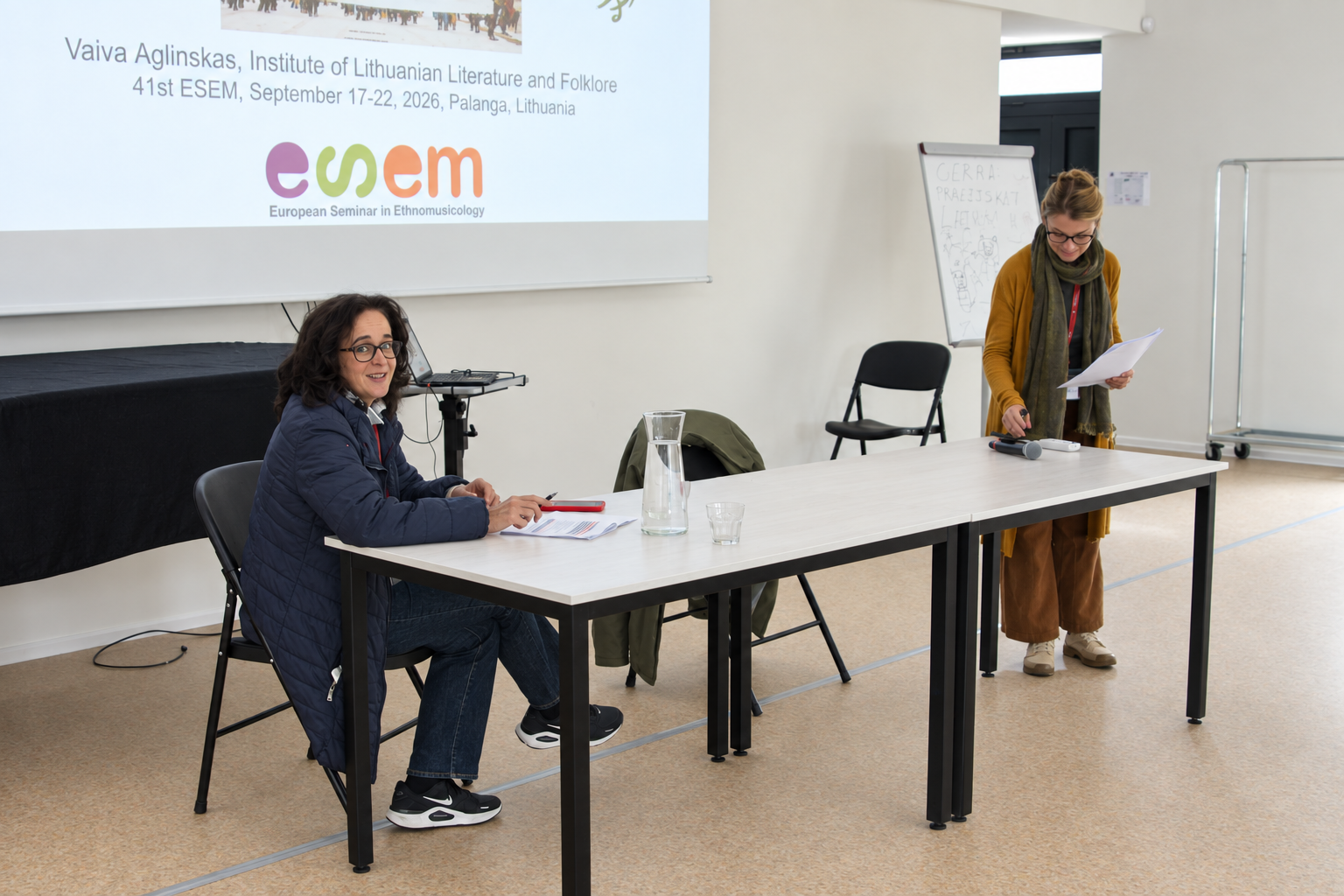
12:00–12:30Vaiva Aglinskas (Institute of Lithuanian Literature and Folklore, Lithuania) “Do You Hear the Rustling?”: Soundtrack of Contention of the Lithuanian Environmental Movement
12:30–14:00Lunch
THE POLITICS OF MODERNIZATION AND TRANSFORMATION
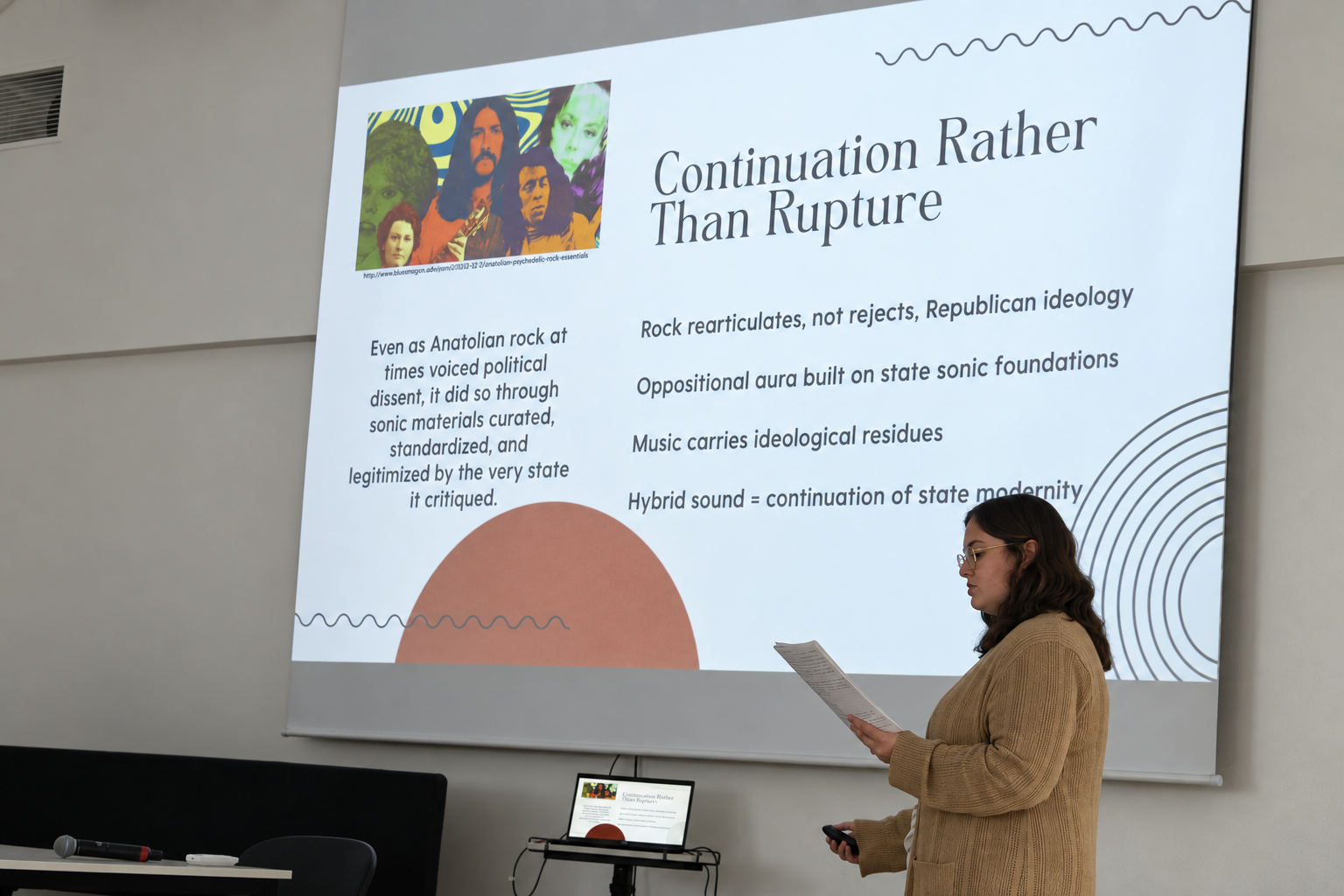
14:00–14:30Rebecca Huff (University of Limerick, Ireland) State-Made Hybridity: Anatolian Rock and the Politics of Musical Modernization in Turkey
14:30–15:00    Jannatul Ferdous (University of Chittagong, Bangladesh) Ri Long Poye: Adopting Technology and Modern Trends in the Marma Water Festival of Bangladesh
15:00–15:30Parmis Rahmani (University of Music and Performing Arts Vienna, Austria) The Violin in Persian Classical Music in mid-20th Century: The Role of Individual Performers in Processes of Innovation and Transformation
15:30–16:00Coffee break
REFLECTING ON MUSIC ANALYSIS
16:00–16:30Kristin Jonzon (Svenskt visarkiv – Centre for Swedish Folk Music and Jazz Research, Sweden) Dynamic Ways to Account for Tonal and Timbral Emergences in Unaccompanied Traditional Singing
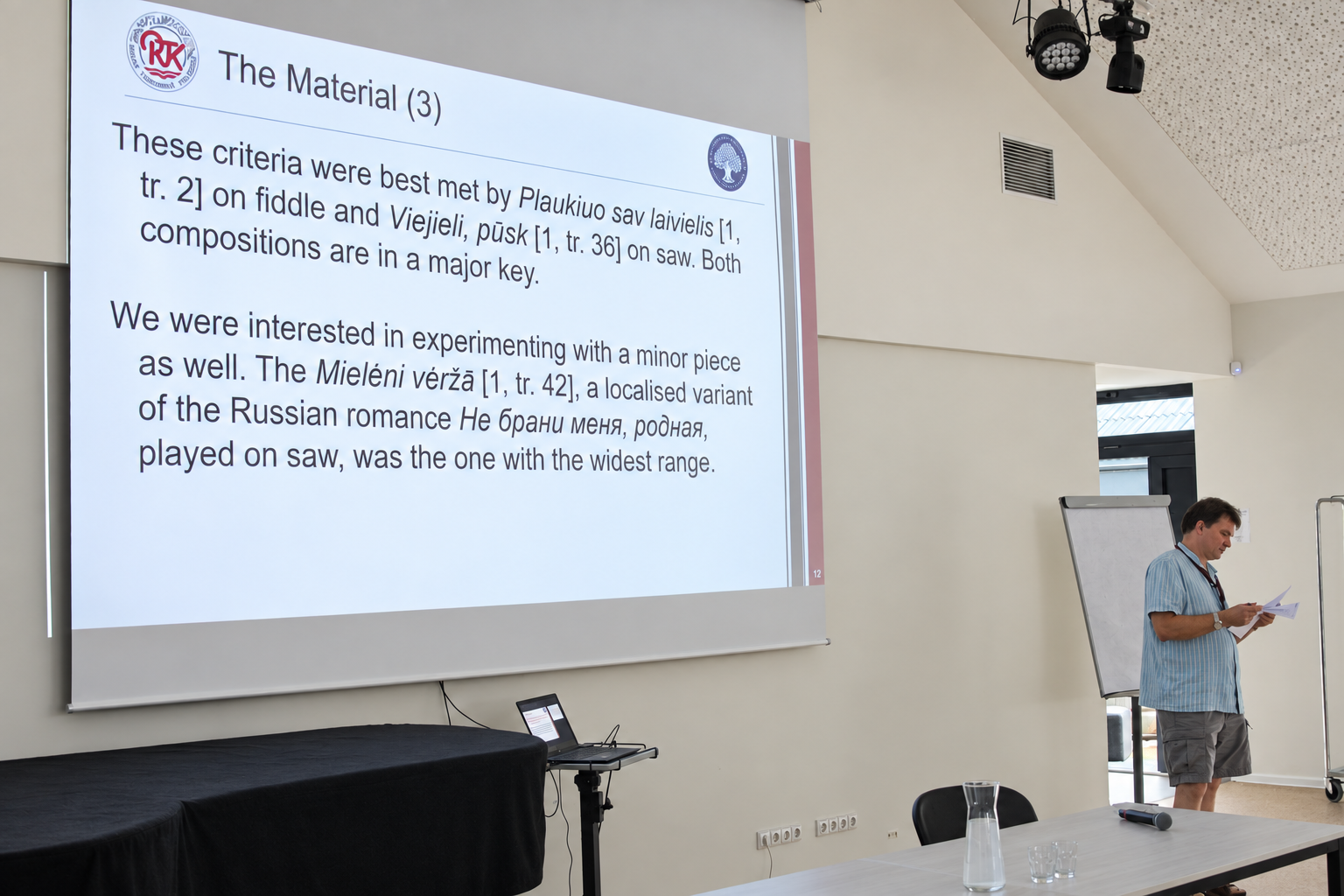
16:30–17:00Ansis Ataols Bērziņš (Riga Technical College, Latvia) and Paulis Paulins (University of Latvia, Latvia) Searching for Traditional Samogitian Scale in Fiddle and Saw Playing by Jorgis Okrens
FILM SCREENINGS
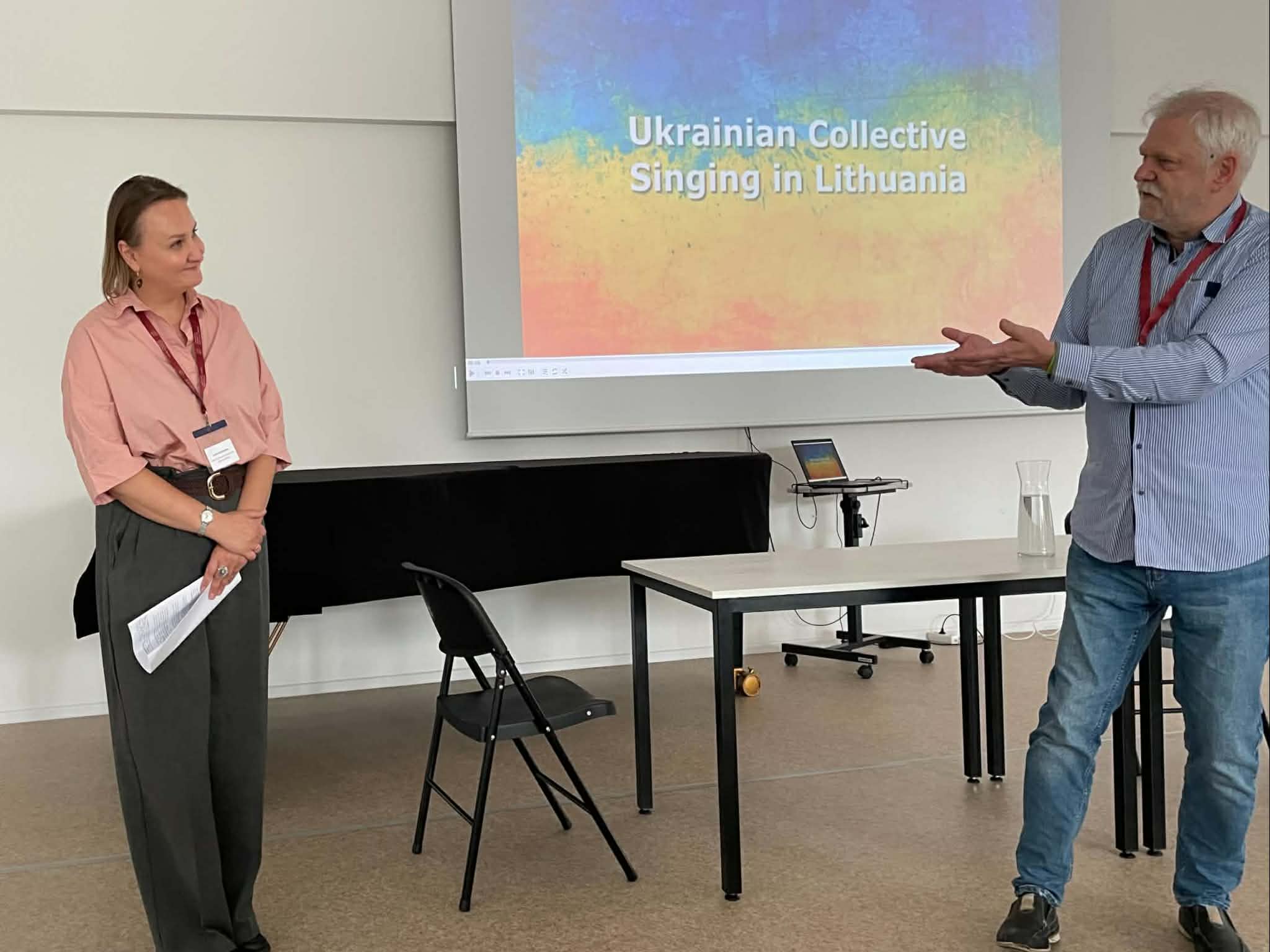
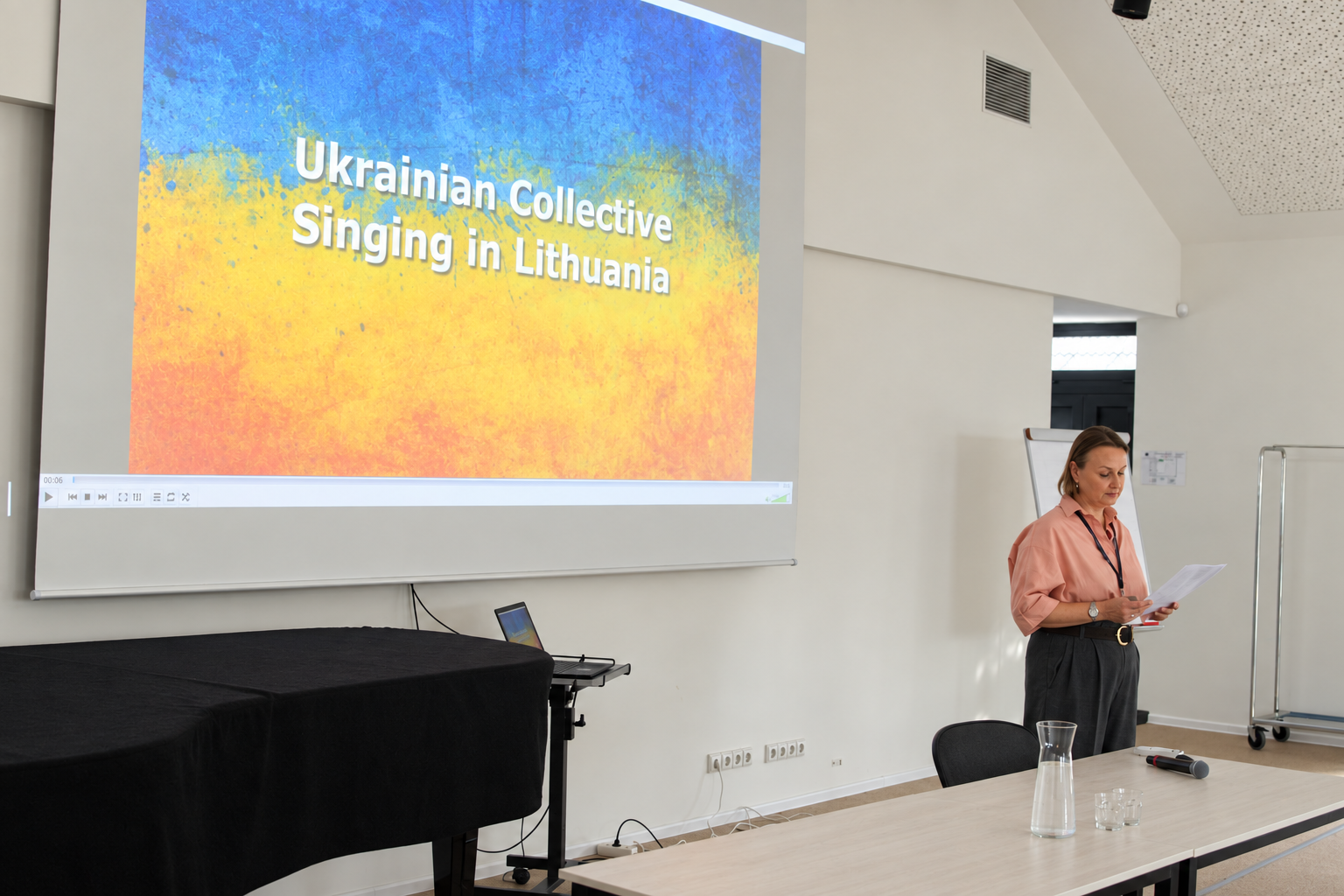
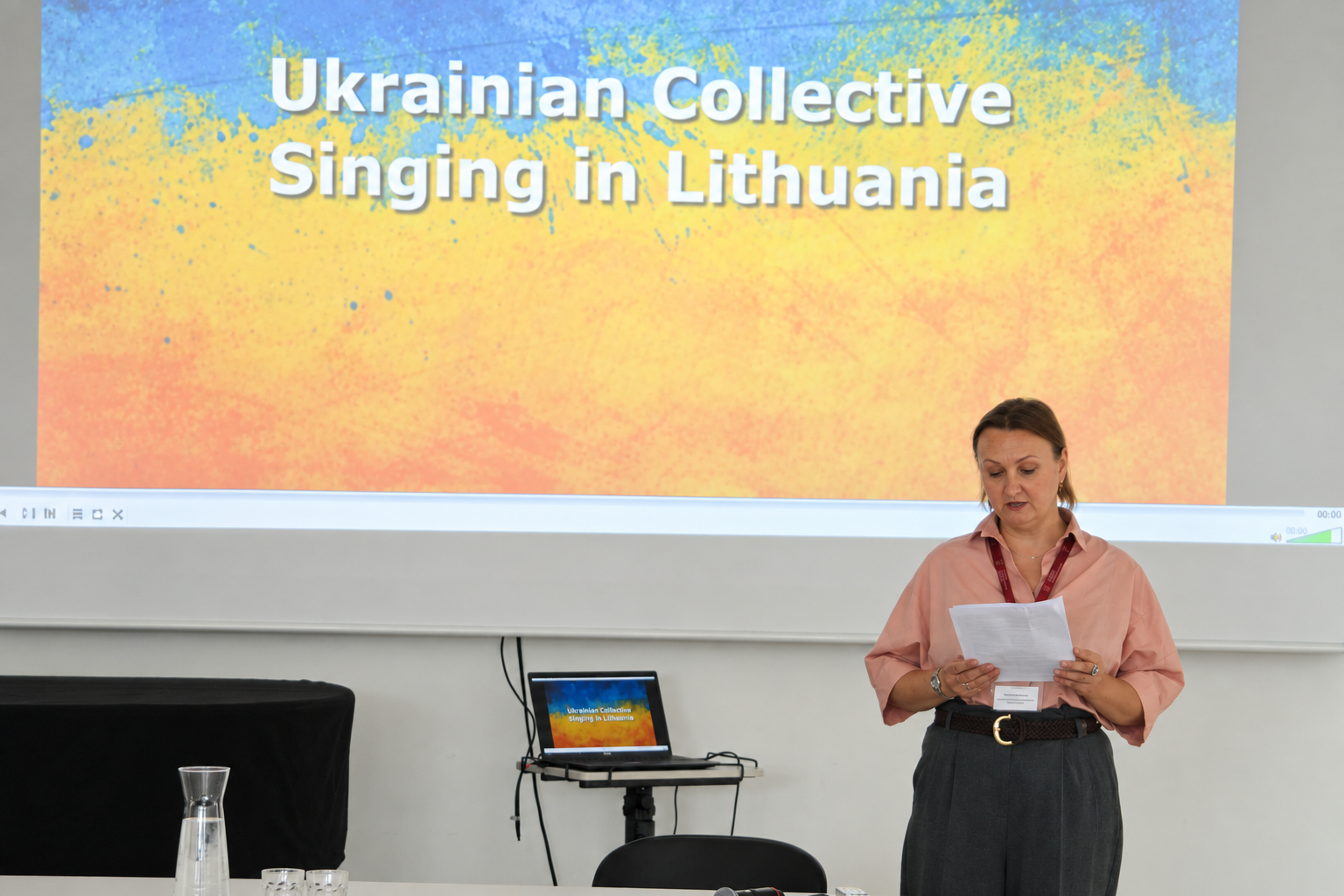
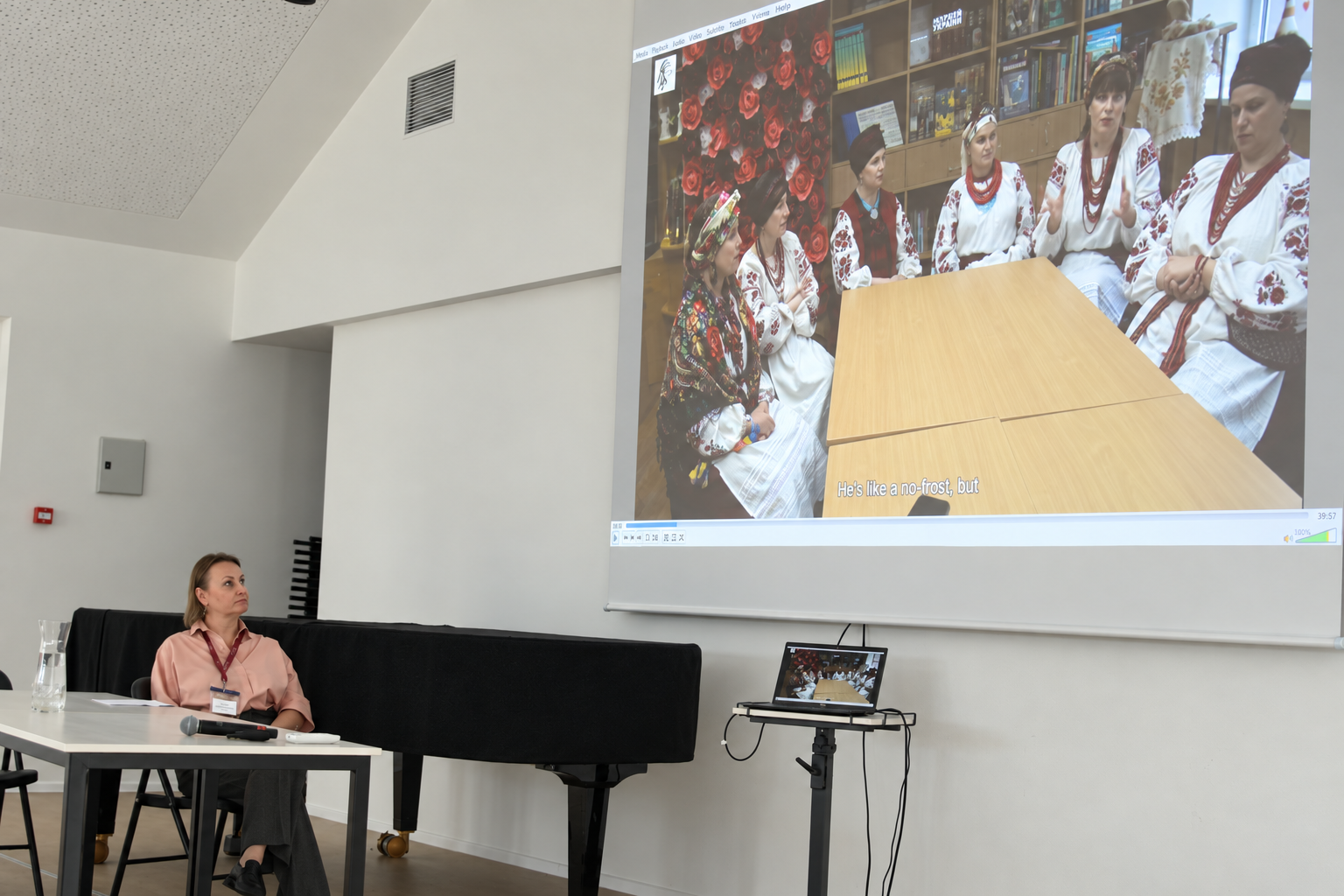
17:00–17:30Halyna Pshenichkina (Institute of Lithuanian Literature and Folklore, Lithuania) Ukrainian Collective Singing in Lithuania in Times of Crisis
17:30–18:00Ripan Kumar Das (Cinema Gang, Bangladesh) Technology as a Catalyst for Marma Indigenous Resilience: A Dancer’s Survival in the Digital Age
19 SEPTEMBER, SATURDAY
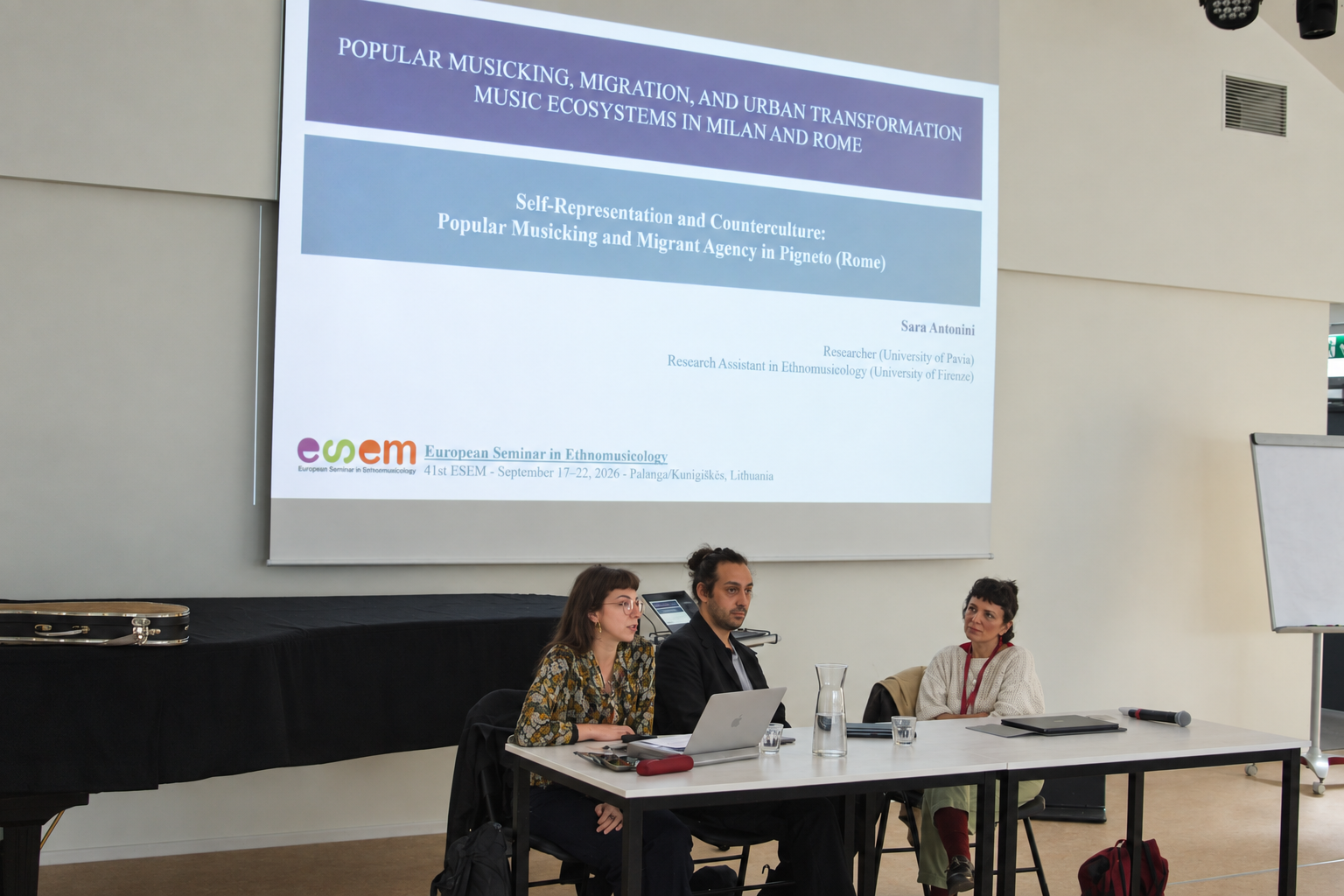
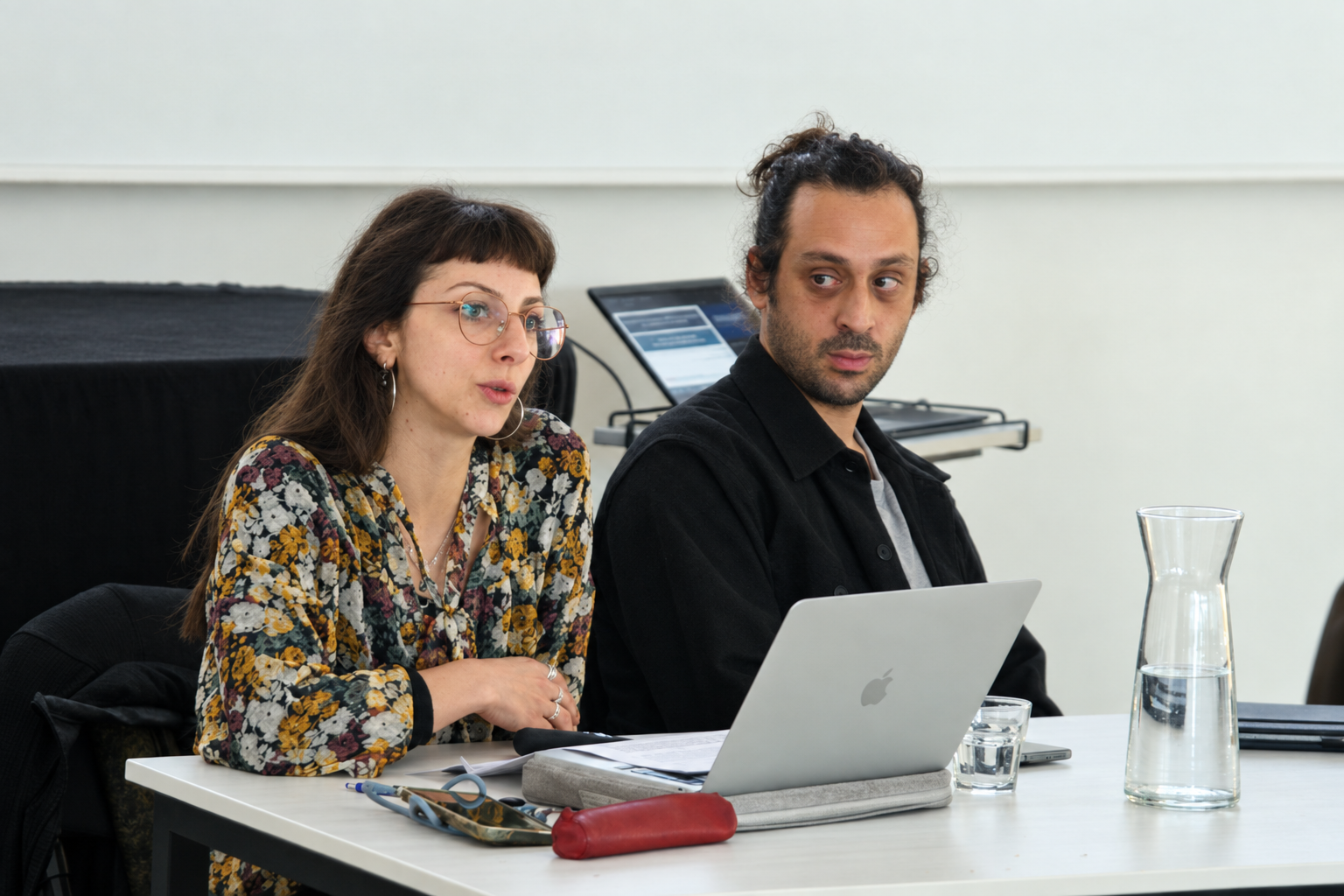
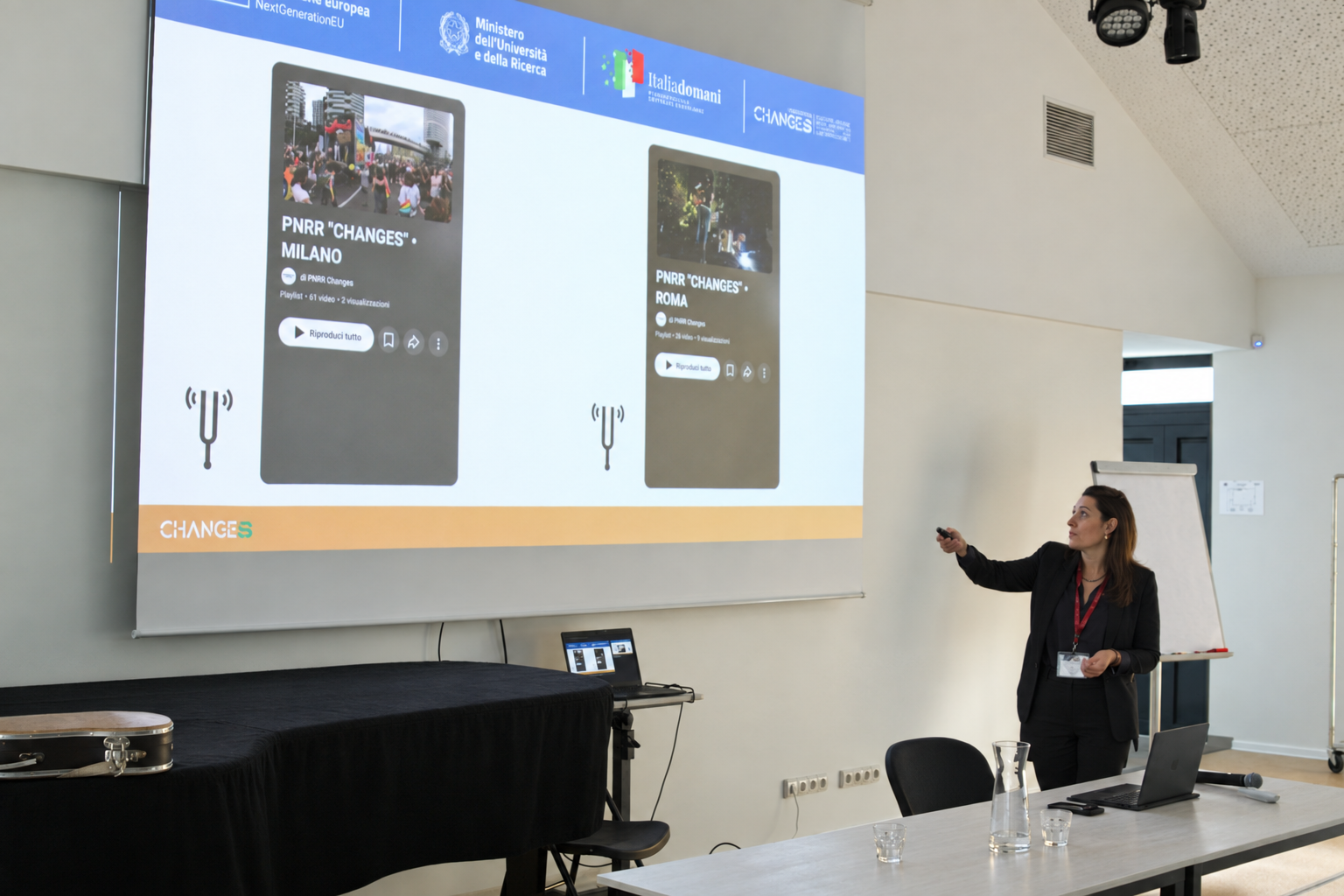
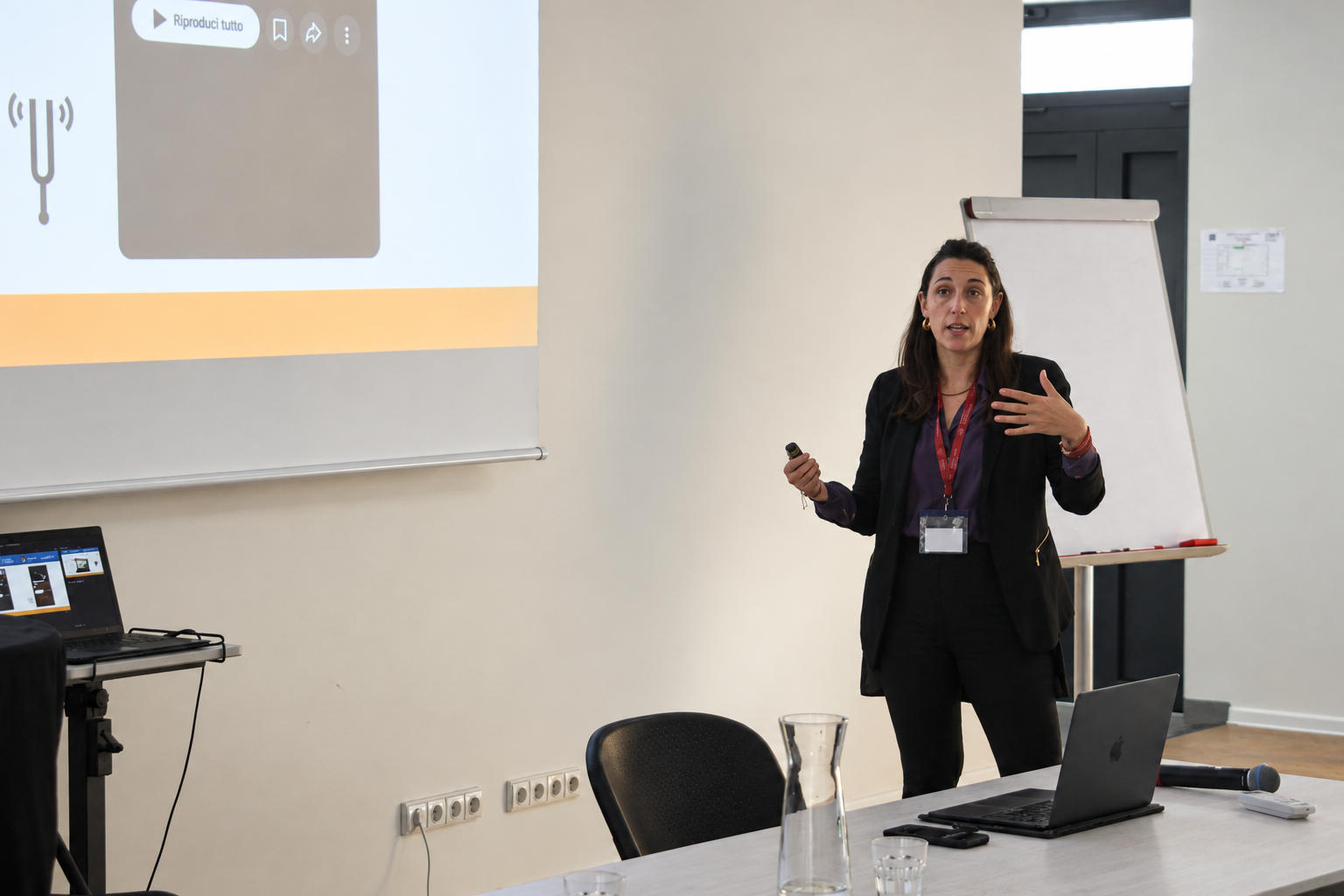
PANEL: POPULAR MUSICKING, MIGRATION, AND URBAN TRANSFORMATION: MUSIC ECOSYSTEMS IN MILAN AND ROME
9:00–9:30Francesca Cireddu (University of Pavia, Italy) MURB. Musical Participation and Urban Transformation: A Deep Mapping of the V Municipality in Rome and NoLo neighbourhood in Milan
9:30–10:00Martin Nicastro (University of Pavia, Italy) Between Branding and Mediation: Popular Musicking, Cultural Intermediation, and Urban Transformation in NoLo (Milan)
10:00–10:30Sara Antonini (University of Pavia, Italy) Self-Representation and Counterculture: Popular Musicking and Migrant Agency in Pigneto (Rome)
10:30–11:00Coffee break
ASSESSING IMPACTS
11:00–11:30Chae-Lin Kim (University of Music and Performing Arts Vienna, Austria) Singing in Sign Language – A Case Study of the Berlin Sign Choir
11:30–12:00Clément Baulot-Souckov (Academy of Music, Dance and Fine Arts in Plovdiv, Bulgaria) Can a Bulgarian Spring Folk Dance Really Make You Feel Happy?
12:00–12:30Rebecca Draisey-Collishaw and Fay Hield (University of Sheffield, UK) Action, Participation, and Choice Points: Access Folk and Methods for Change
12:30–14:00Lunch
MIGRATION
14:00–14:30Ayhan Erol (Dokuz Eylul University, Turkey) Ritual Dance, Migration and Translocality: the Alevi Semah
14:30–15:00Anja Brunner (University of Music and Performing Arts Vienna, Austria) Challenges of the Postmigrant in Music: Tales from Vienna
15:00–15:30Fulvia Caruso (University of Pavia, Italy) “Altrove è qui”: a Podcast to Give Visibility to Musical Practices in Post-Migratory Italy
15:30–16:00Coffee break
POPULISM
16:00–16:30Elise Gayraud (independent researcher, Belgium) Dancing Against Populism: Participative Community Cultural Practices Promoting Pan-Europeanism, Inclusivity and Diversity on Dancefloors – A Case Study of the Balfolk Movement
16:30–17:00Felix Morgenstern (University of Limerick, Ireland) Popular in the Age of Populism: Translocal Irish Traditional Music Practices in German-Speaking Europe
17:00–17:30Coffee break
17:30–19:00John Blacking Memorial Lecture
20 SEPTEMBER, SUNDAY
ORGANOLOGY AND MUSICAL TOOLS
9:00–9:30Gertrud Maria Huber (University of Music and Performing Arts Vienna, Austria). The Zither in Changing Social and Political Landscapes. Reflections On Internal and External Attributions to a Folk Instrument Tradition
9:30–10:00Ulrich Morgenstern (University of Music and Performing Arts Vienna, Austria) Ethno-organology’s Aesopian Language in the (Post)Soviet Space
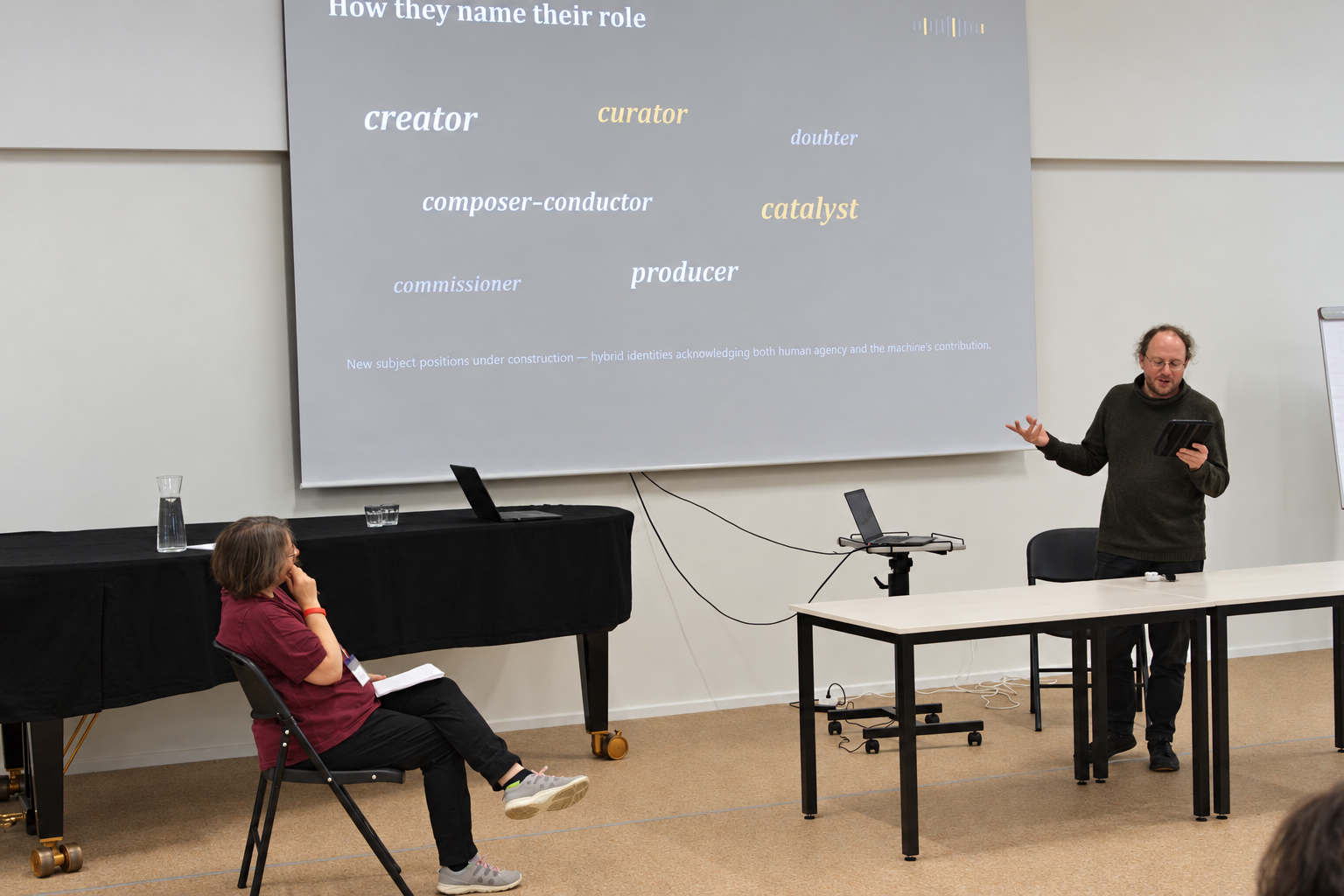
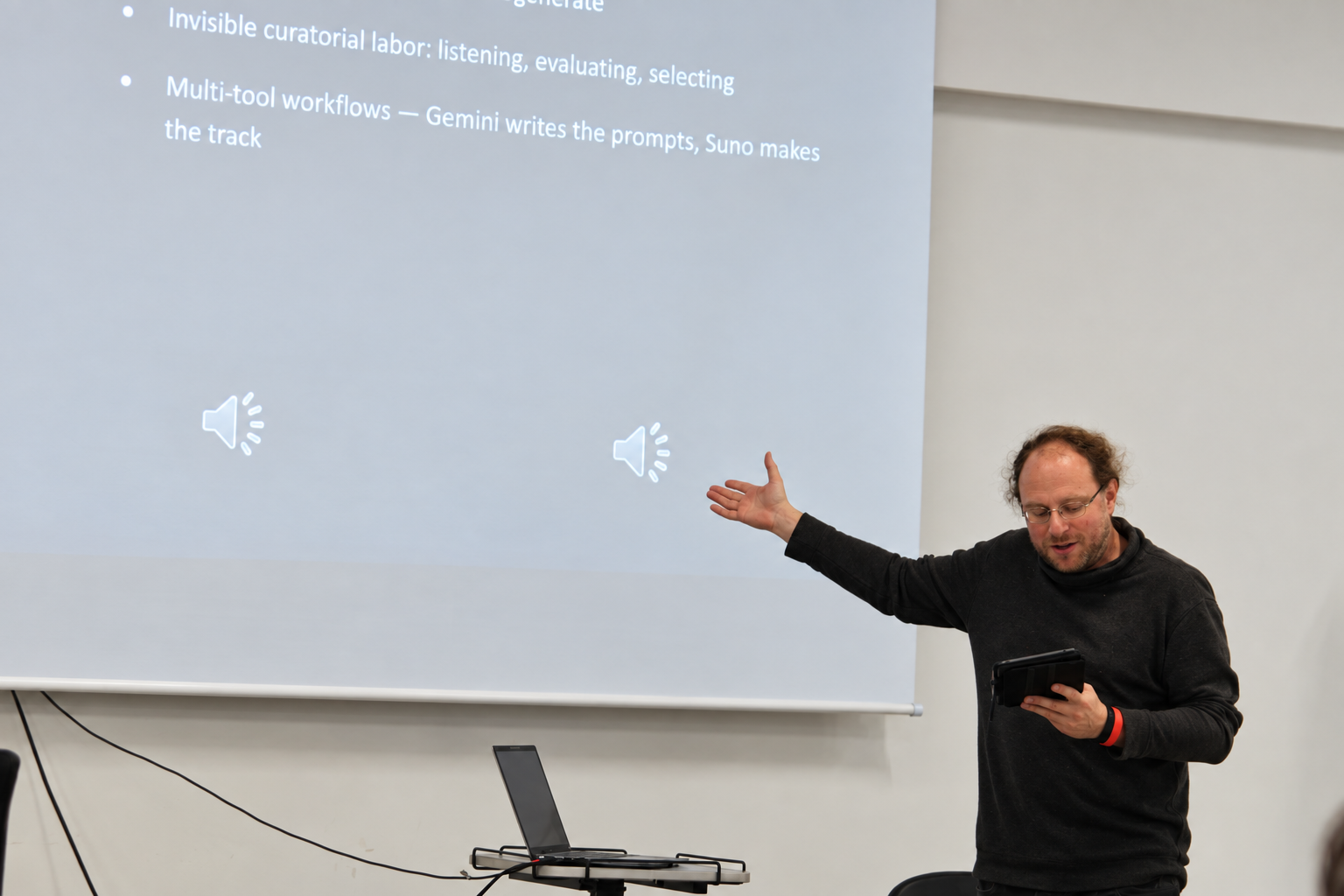
10:00–10:30Oldřich Poděbradský (Charles University Prague, Czechia) Prompting Music into Existence: Authorship and Creativity Among AI Music Tool Users
10:30–11:00Coffee break
ETHNOMUSICOLOGY AND ITS LIMITS
11:00–11:30Britta Sweers (University of Bern, Switzerland) Ethnomusicology and Cultural Appropriation: The Case of Lauwarm
11:30–12:00Evrim Hikmet Öğüt (MSGSÜ, Turkey) The Limits of Ethnographic Foresight: Syrian Music in Istanbul Revisited
12:00–12:30Marko Kölbl and Faisal Jailani (University of Music and Performing Arts Vienna, Austria) Responsibilities in the Field. Influencing Social and Political Realities
12:30–14:00Lunch
ETHNOMUSICOLOGY AND ARCHIVAL WORK
14:00–14:30Matej Kratochvil (Institute of Ethnology, Czech Academy of Sciences, Czechia) “Should We Put This Online?” Gatekeeping The Digital Archive of Czech Folk Music
14:30–15:00Francesca De Nardis (Community Archive of the Municipality of Atena Lucana-Archivio Atena, Italy) Archivio Atena Project as a Sound Heritage Laboratory: Ethnomusicological Research between Top-down and Bottom-up Approaches
15:00–15:30Anne K. Rasmussen (William & Mary, USA) The Ethics of Archival Listening, Stewardship, and Intervention through the Restudy and Performance of Comparative Arab Musical Diasporas
15:30–16:00Coffee break
POSTCOLONIAL CONTEXTS
16:00–16:30Susana Sardo (University of Aveiro, Portugal) Listening to the Post-Empire: The Political Life of Fado de Goa (Índia)
16:30–17:00Spandita Das (Indian Institution of Technology Delhi, India) Folk Music and Regional Articulations in Postcolonial India: Case Studies from North and South-West Bengal
17:00–17:30Coffee break
17:30–19:30General Assembly
21 SEPTEMBER, MONDAY
 HERITAGE AND INSTITUTIONS
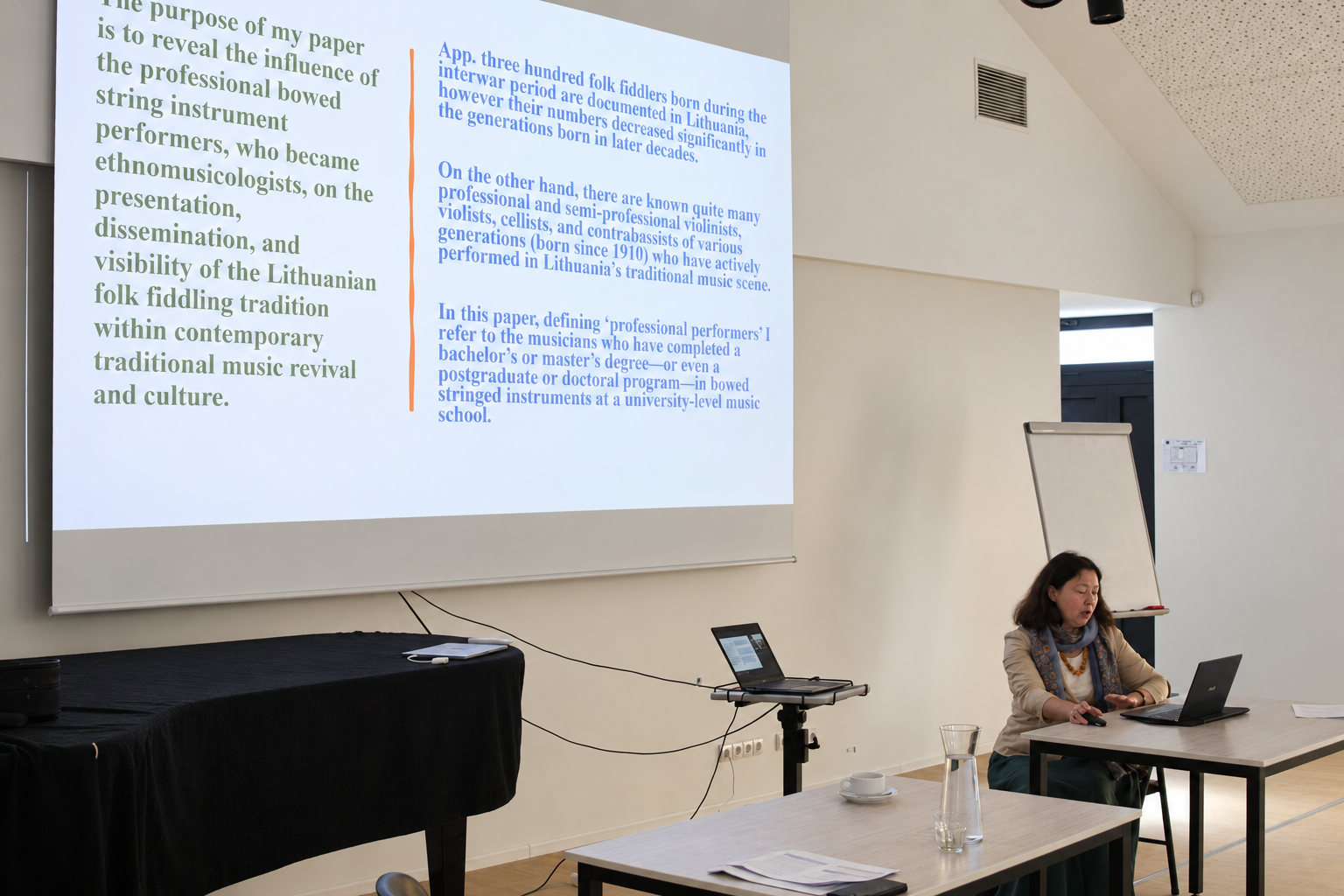
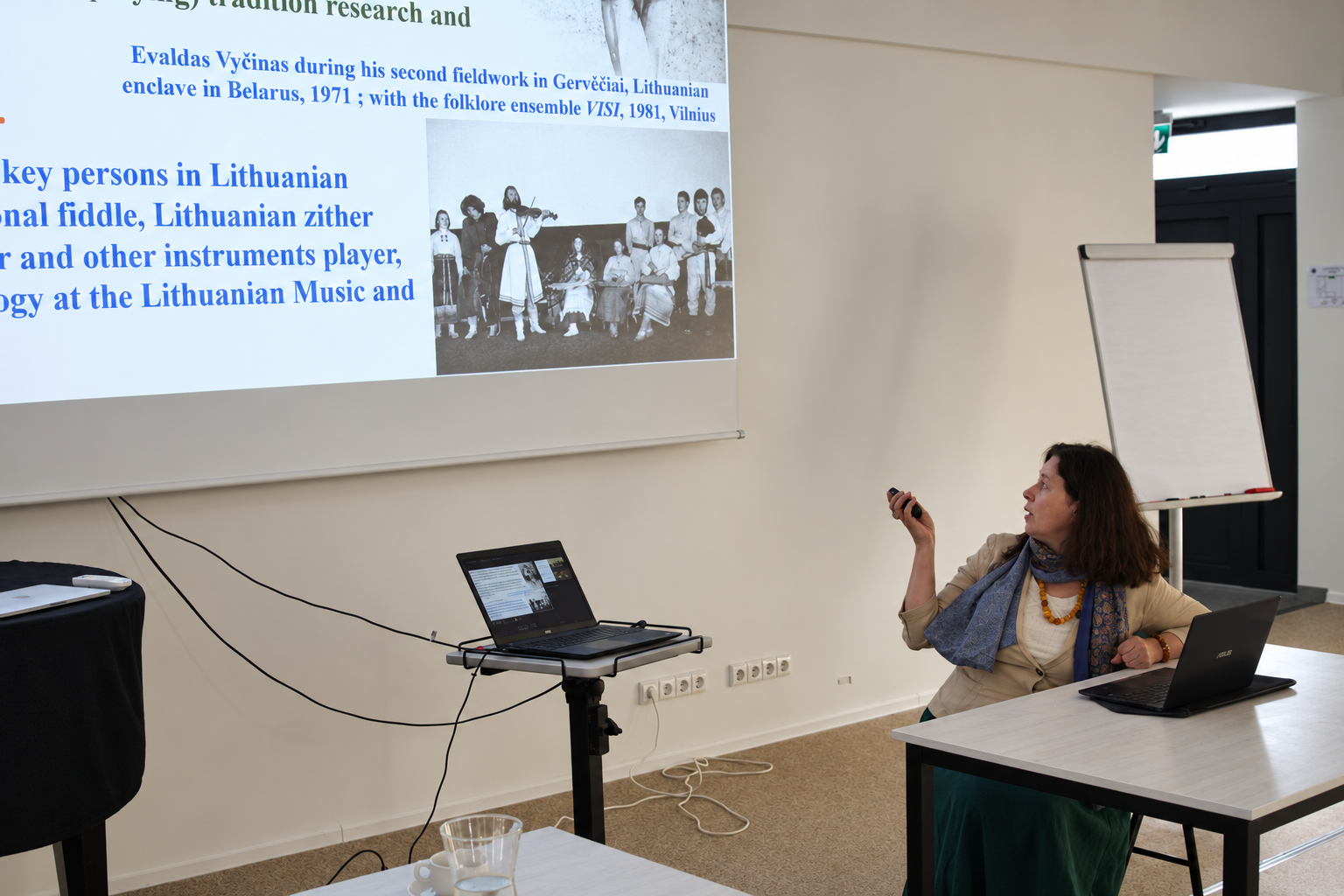
9:00–9:30Gaila Kirdienė (Lithuanian Academy of Music and Theatre, Lithuania) Ethnomusicologists and the Revival of Traditional Fiddling in Lithuania at the Turn of the 21st Century
9:30–10:00Antti-Ville Villén (University of the Arts Helsinki, Finland) Subcultural Heritage
10:00–10:30Mikaela Minga (Institute of Anthropology-Albanian Academy of Sciences, Albania) Music Institutions in Albania: Perspectives from the Contemporary
10:30–11:00Coffee break
SOUND AND CITIZENSHIP
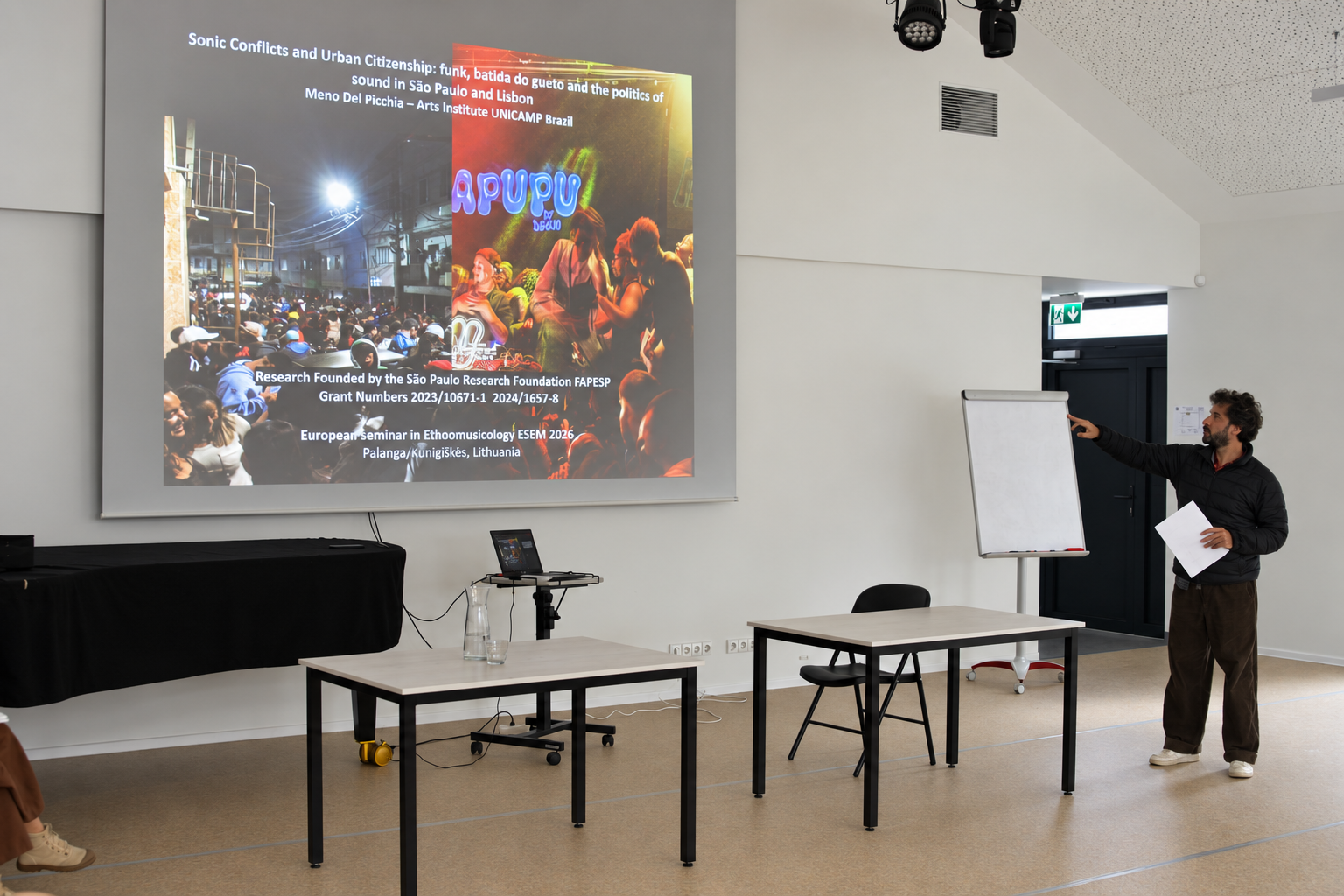
11:00–11:30Paulo Menotti Del Picchia (Universidade Estadual de Campinas – UNICAMP, Brazil) Sonic Conflicts and Urban Citizenship: Funk, Batida do Gueto, and the Politics of Sound in São Paulo and Lisbon
11:30–12:00Ilaria Meloni (Sapienza Università di Roma, Italy) “Don’t Ban Us, Hear Us!”: Sound, Space, And Displacement in Jubilee Rome. Redefining Politics of Urban Listenings and Ethnomusicological Engagement
12:00–12:30Christopher Ballengee (Institute of Arts, Polish Academy of Sciences, Poland) Sounding Citizenship: Tassa Drumming and the Politics of Belonging in Trinidad and Tobago
12:30–13:00Coffee break
REGION AND NATION
13:00–13:30Rimantas Sliužinskas (Klaipėda University, Lithuania) Local Lutheran Psalms Singing Tradition in Klaipėda Region (Lithuania): Cross-Ethnic Peculiarities
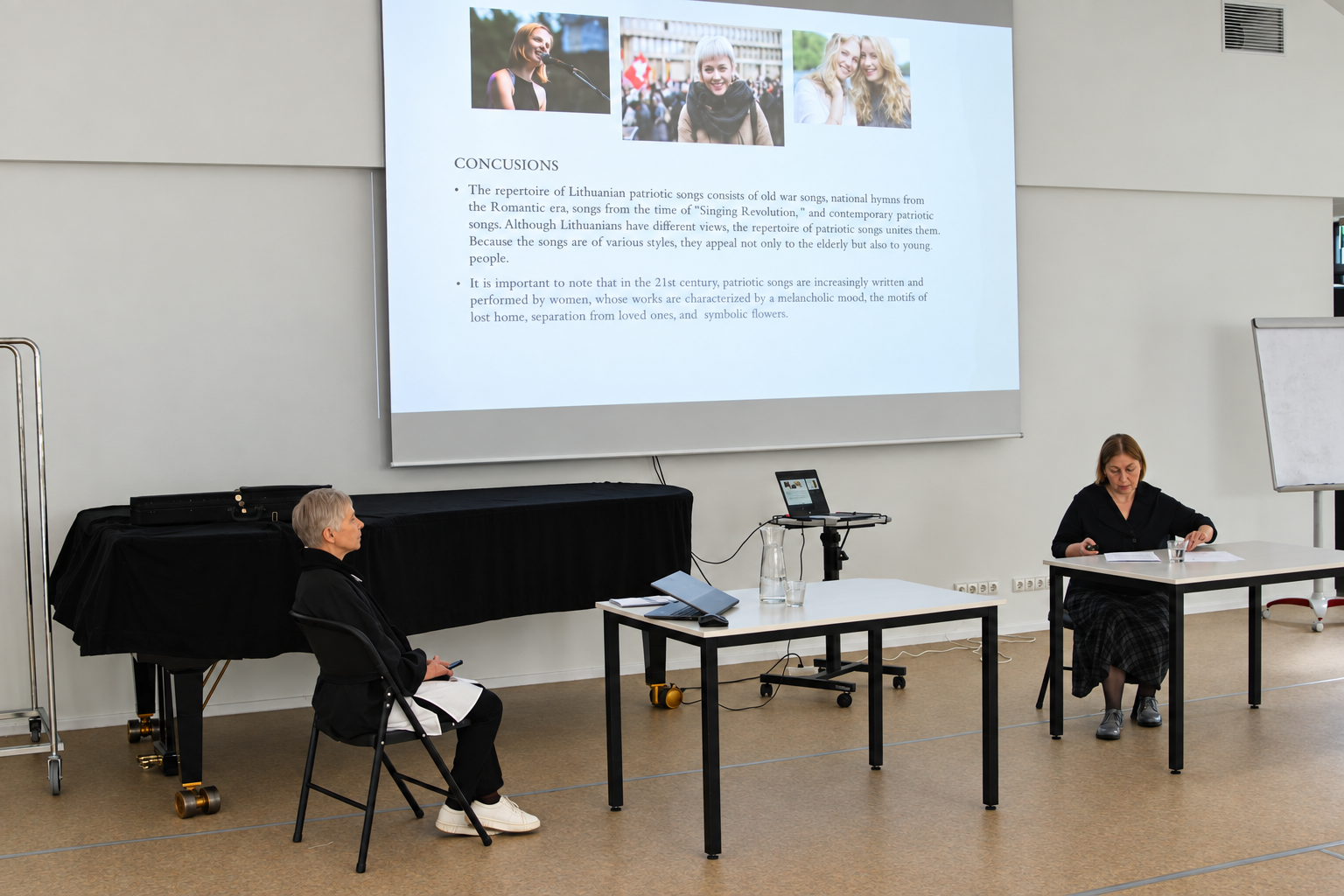
13:30–14:00Austė Nakienė (Institute of Lithuanian Literature and Folklore, Lithuania) Lithuanian Patriotic Songs: Their Authors, Themes, and Performance Contexts
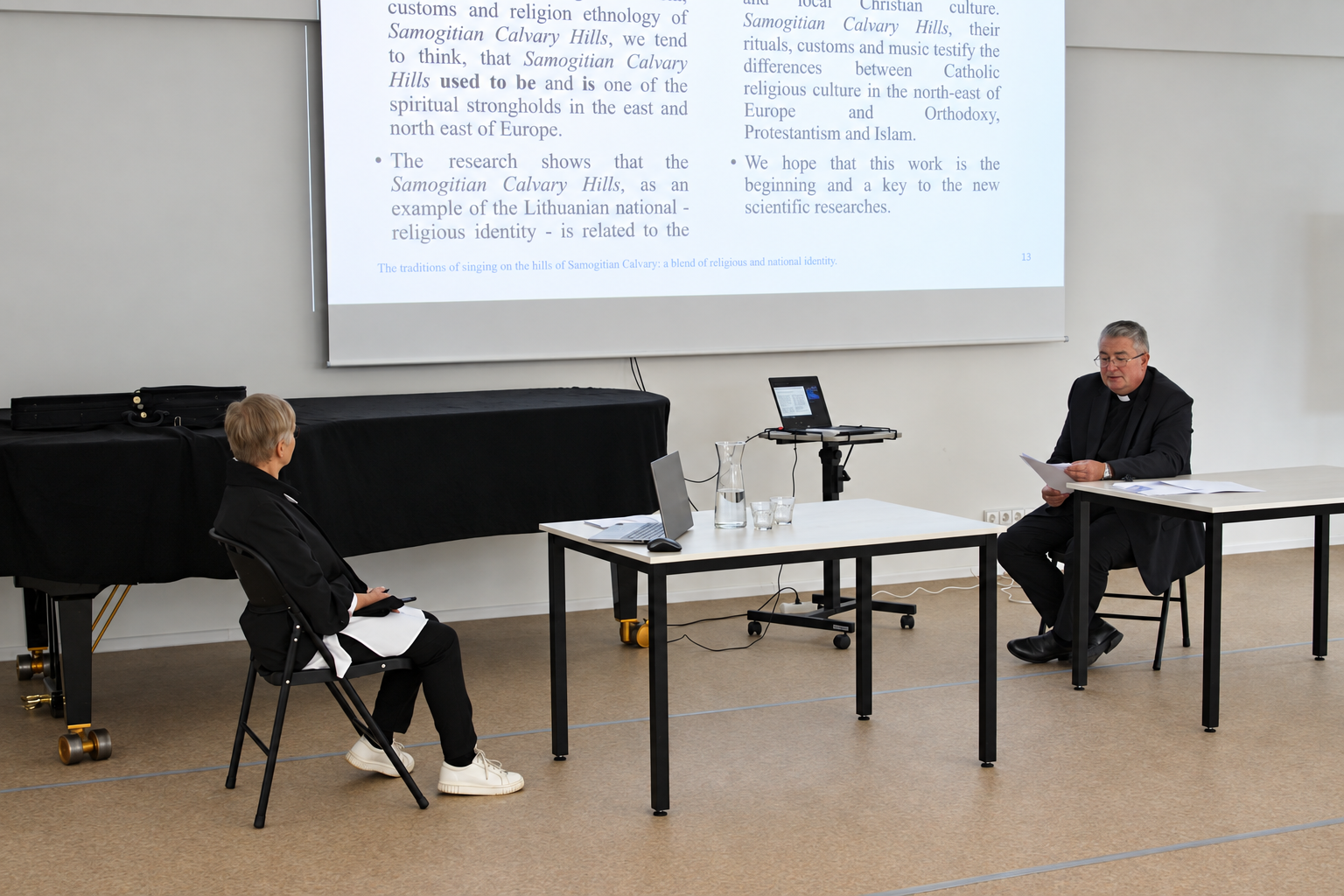
14:00–14:30Saulius Stumbra (Klaipėda University, Lithuania) The Tradition of Singing on the Hills of Samogitian Calvary: A Blend of Religious and National Identity
14:30–15:00Lunch
15:00–😊Excursion; Closing of the conference, the last party….
 
22 SEPTEMBER, TUESDAY – DEPARTURE

Scroll to Top